

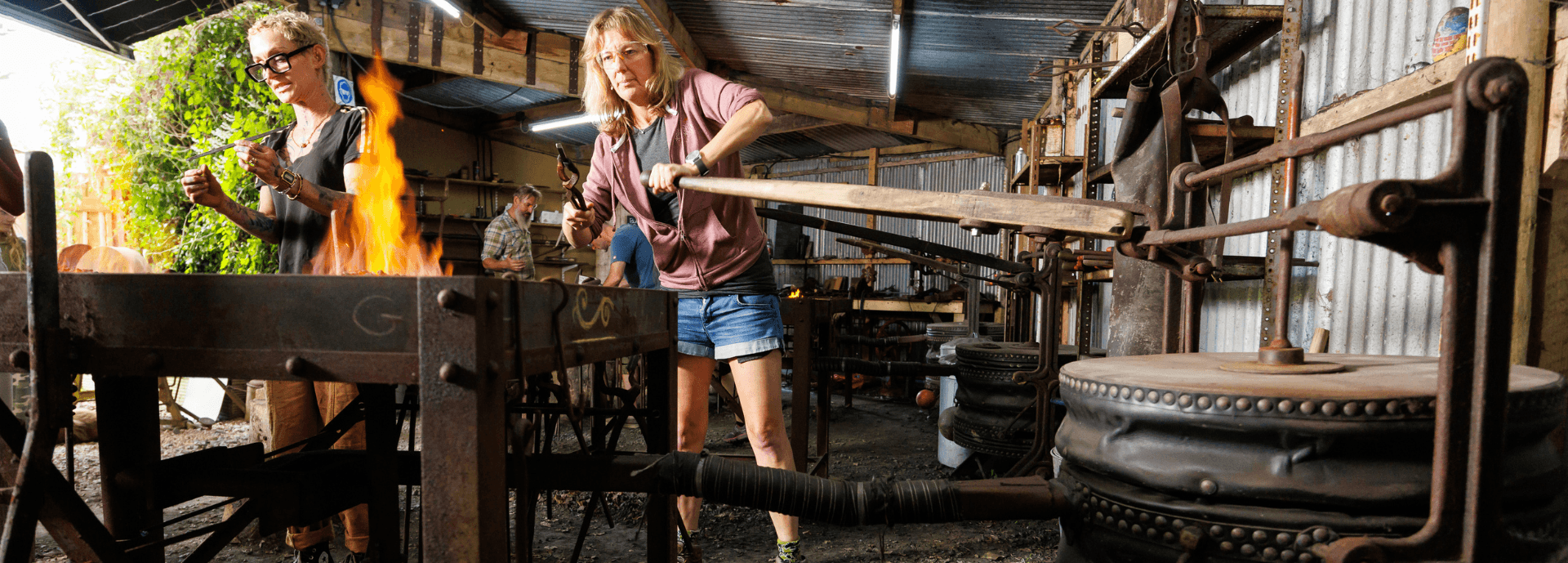

The smithy at Old Pound Smithy is a traditional teaching forge, set up entirely for learning and experience rather than production. Using hand tools, bellows, and coal fires, it offers people the chance to step into blacksmithing as it has been practiced for centuries — slowly, physically, and with intent.
This is not an industrial workshop or a demonstration space. It is a place where visitors are guided into the craft itself, working by hand, at their own pace, and leaving with something they have made.
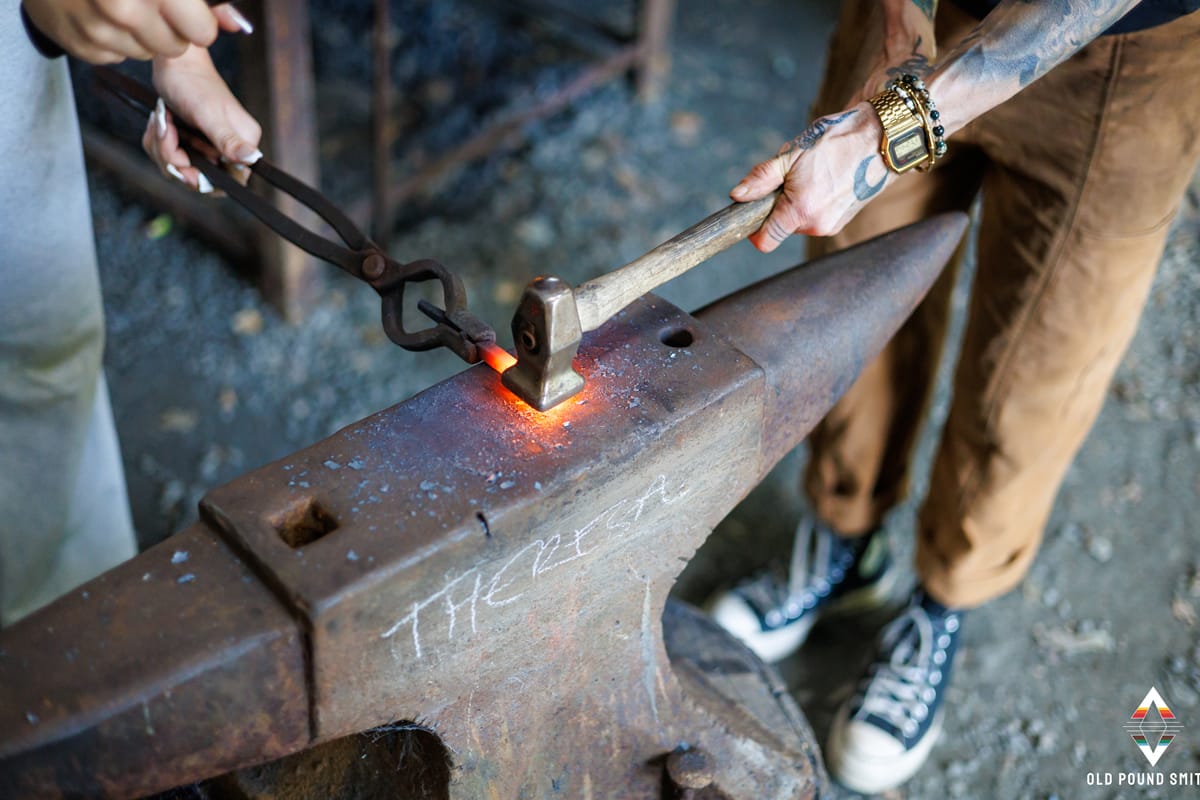
A traditional teaching forge
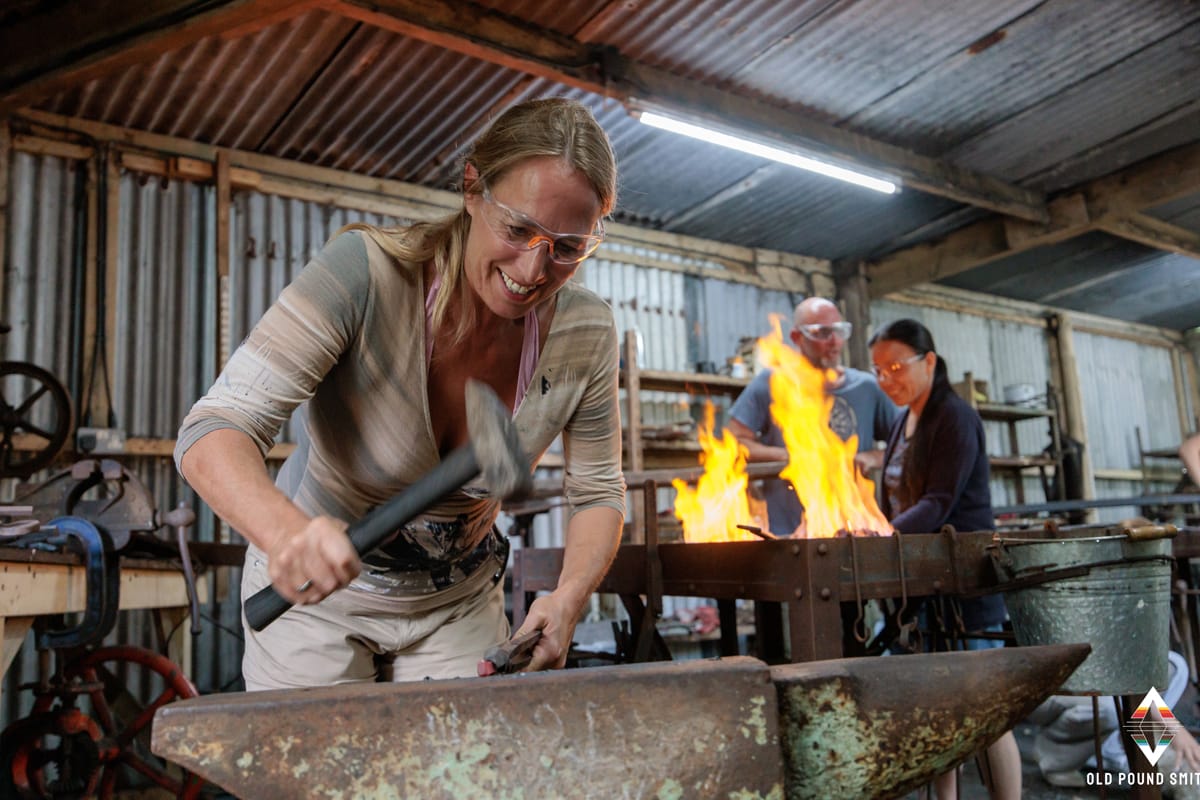
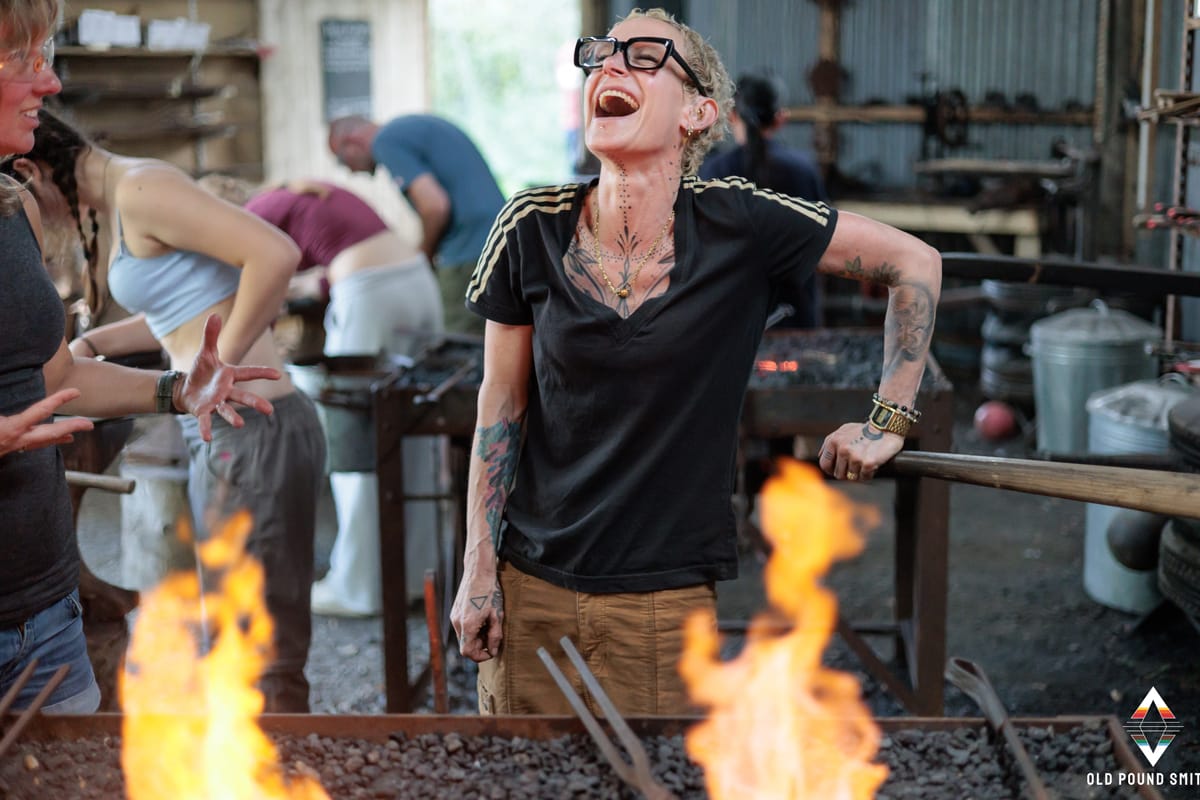
The smithy has been deliberately designed to remove speed and machinery from the process. There are no power hammers or production tools — only fire, hand tools, and time. This allows people to properly feel what the material is doing, understand the process, and work in a way that is both grounded and absorbing.
Everything here is about learning through doing, rather than watching or rushing.
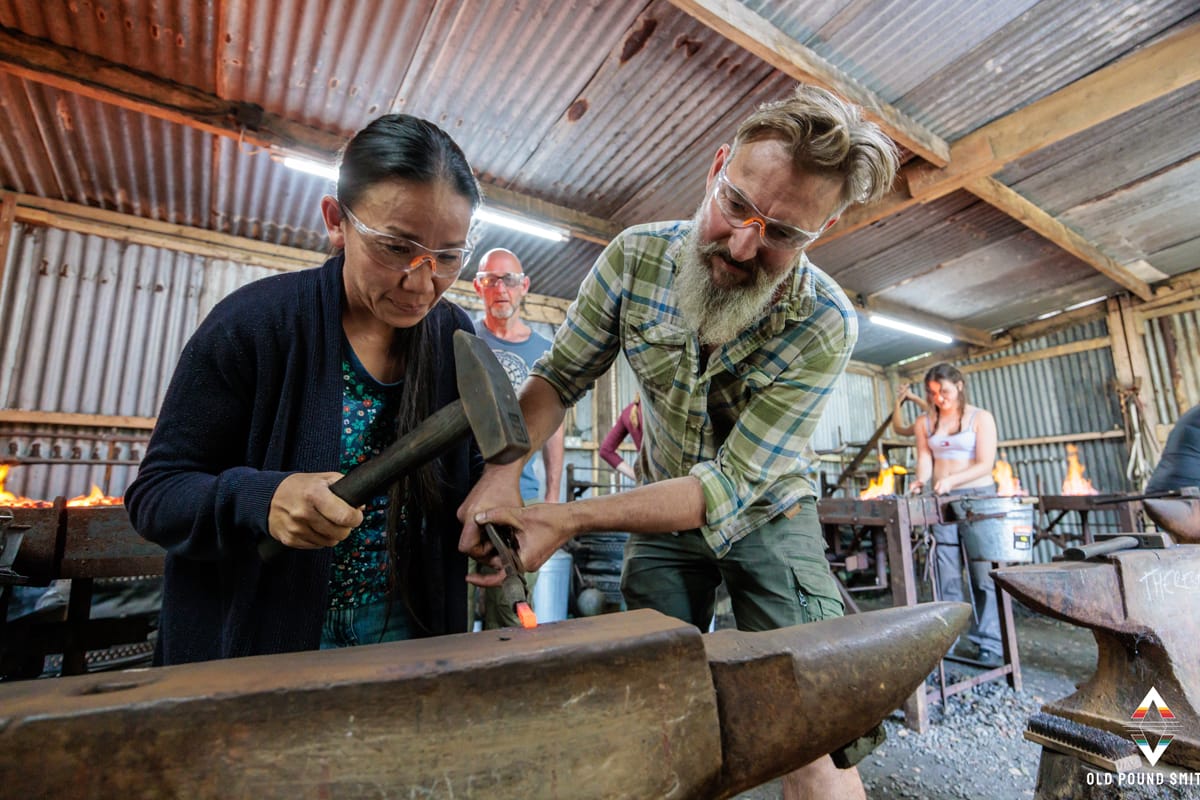
Beginner friendly, taken seriously
Most people who come to the smithy have never forged before. Courses are structured to welcome complete beginners, with clear guidance, patient teaching, and a pace that allows understanding to build naturally.
Safety is integral, not overbearing, and visitors are supported throughout the experience. Many arrive unsure of what to expect and leave tired, satisfied, and quietly proud of what they have made.
What you’ll experience
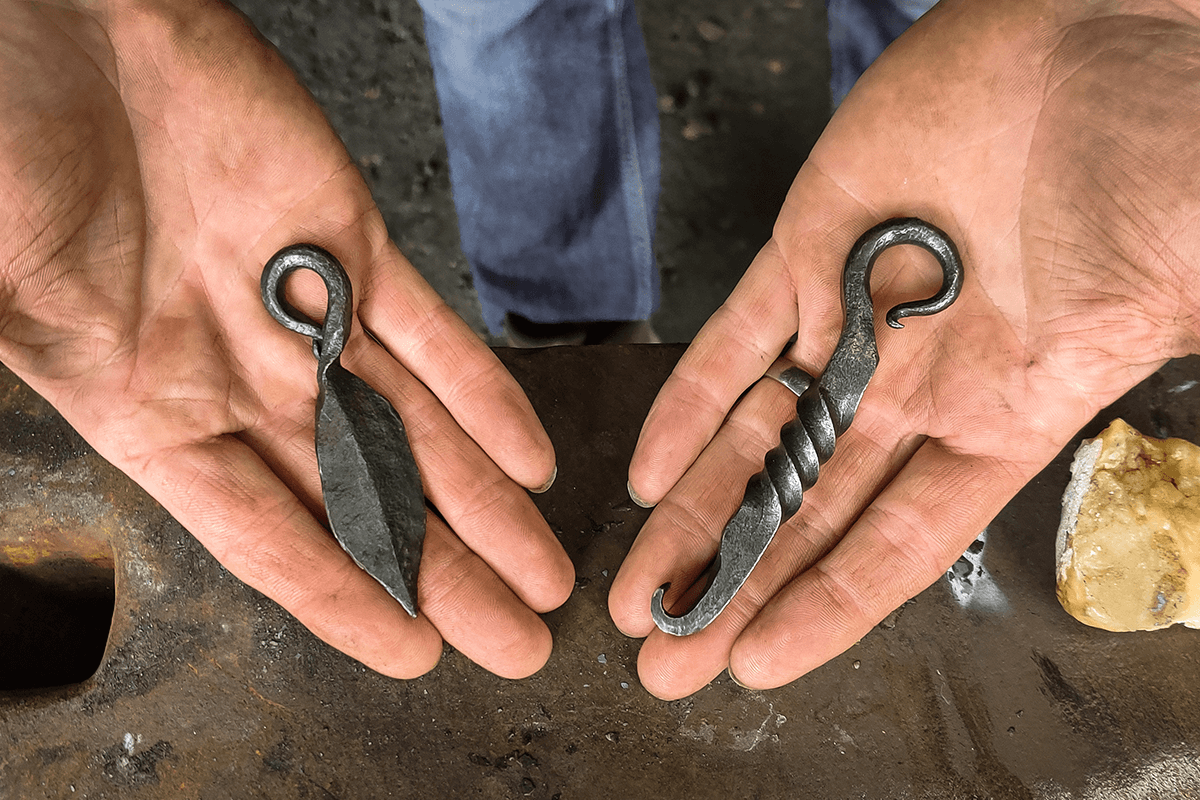
Time in the smithy is focused and physical. Visitors work with heat, steel, and simple tools, learning traditional techniques step by step. Courses vary in length and outcome, but the emphasis is always on process rather than performance.
Everyone leaves with something they have made themselves — not a souvenir, but a usable or meaningful object shaped by their own effort.
Who the smithy is for?
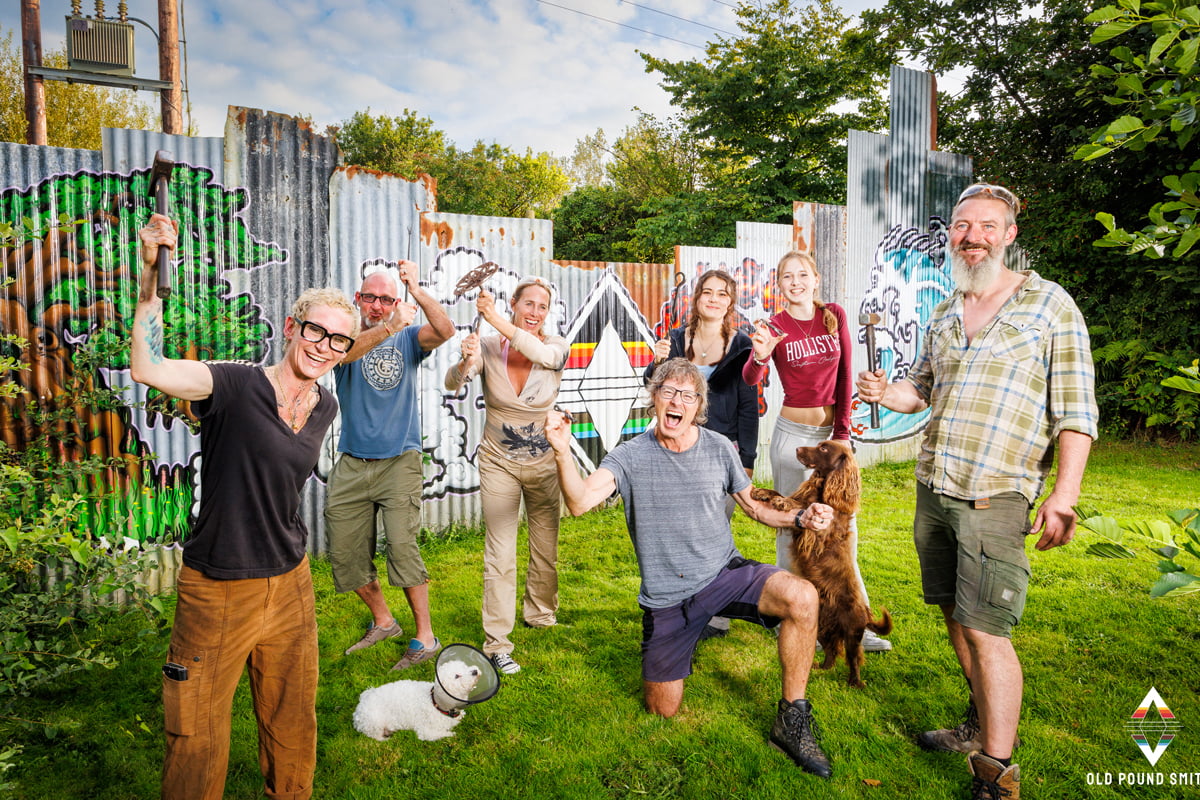
The smithy welcomes individuals, couples, friends, and family groups, with courses designed to suit a wide range of interests and abilities.
Many people arrive with no prior experience and begin with shorter, accessible sessions that focus on learning the fundamentals and working at a steady, supported pace. Other courses go much deeper, requiring sustained physical effort, focus, and resilience over a full day or multiple days.
What all experiences share is a hands-on approach. This is real work with hot steel, simple tools, and time at the anvil. It suits people who are curious, enjoy learning something tangible, and are comfortable engaging physically with a traditional craft.
Some courses are demanding, and that’s part of their appeal. If you’re looking for spectacle, speed, or a passive experience, this may not be the right fit — but for those who value effort, process, and the satisfaction that comes with making something properly, it can be deeply rewarding.
Many guests arrive looking for rest and leave feeling quietly restored.
Part of Old Pound Smithy
The forge sits alongside our places to stay, and many visitors choose to combine time in the smithy with a quiet stay in the countryside. Others come solely for the forge experience.
Whichever way people arrive, the atmosphere remains the same — calm, welcoming, and shaped by care and craft.
Explore smithy experiences
From short tasters to full-day courses, each experience is designed to give proper time at the forge.
For those who want to go further
Alongside our courses, we also run a Blacksmithing Club for people who have already completed a course at Old Pound Smithy and want to continue forging as a hobby.
The club meets on Wednesday evenings and is intentionally unstructured and social. Members work on their own projects, build confidence through repetition, and develop skills over time, with guidance available from experienced smiths rather than a fixed syllabus or formal course structure.
It’s a relaxed, supportive space for local people to keep working at the forge — learning through practice, conversation, and shared time around the fire.